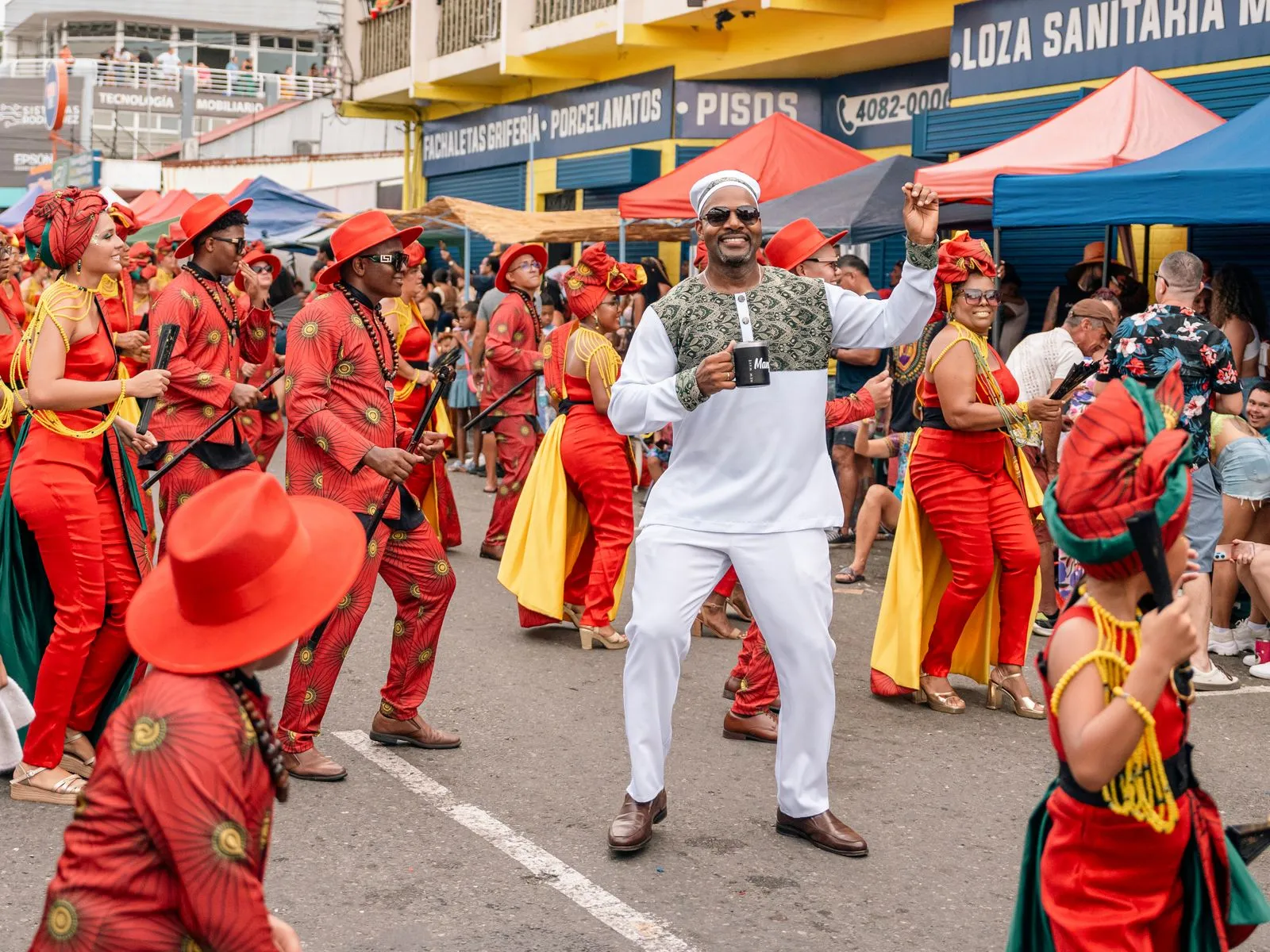
A great Latin dance party gives guests room to move, music they can enjoy at any experience level, and a welcoming atmosphere from the moment they arrive. Start with the practical choices: how many people you expect, what the venue allows, and whether guests will need a brief introduction to the dances. Then shape the sound and setting around your crowd. A little planning helps newcomers feel included while giving seasoned dancers plenty of reasons to stay on the floor.
Choose a Dance-Friendly Venue
Estimate attendance before you book. Look for an open floor with a smooth, safe surface, enough space for people to dance without crowding, and a separate area for seating and refreshments. If possible, visit the venue in advance and check the floor for loose rugs, cables, or other trip hazards. A clear layout makes it easier for guests to mingle and find the dance floor.
Check the venue’s sound system, power outlets, lighting controls, accessibility, and rules about outside DJs, food, and decorations. Ask how late music can play and whether you need to provide speakers or a microphone. For an outdoor party, have a weather backup and confirm access to power. Choose a space that suits your guest count rather than one that feels empty or restricts movement.
Set a Welcoming Mood
Use warm lighting and a few colorful accents to make the room feel festive without making the dance floor hard to see. Keep decorations away from speakers, walkways, and exits. A simple welcome sign, a clear check-in spot, and visible seating help guests settle in. Set refreshments where people can reach them without crossing the busiest part of the floor.
Make the party approachable for people who may not know the steps. Schedule a short beginner-friendly dance lesson or ask the DJ to explain a basic rhythm before the music begins. Invite guests to join in, but avoid making participation feel required. If you have room, create a quieter spot for conversation so guests can take a break and return to dancing when ready.
Build a Mix That Moves
Plan variety rather than playing one style at the same pace all night. Salsa, bachata, merengue, and cumbia can bring different rhythms and energy to the party. Mix familiar, accessible selections with styles your crowd enjoys, and consider the ages, dance experience, and musical preferences of your guests. A few recognizable songs can help newcomers feel comfortable joining the floor.
Start with inviting tracks, then alternate tempos and styles to give dancers room to catch their breath. Save some high-energy selections for later, but avoid long stretches that leave part of the crowd waiting for a song they can dance to. Prepare more music than you expect to need, check transitions, and keep a few clean, flexible choices ready for unexpected changes in the room.
Coordinate the Details
Share the event schedule and any dress or dance-floor guidance with guests ahead of time. Confirm setup and arrival times with the venue and DJ, and decide who will handle announcements, song requests, and last-minute questions. Test the sound system before guests arrive. Set the volume so the music feels lively while people can still speak at the edges of the room.
As the party unfolds, watch how guests respond. If the floor is quiet, try a familiar song, invite a small group to start dancing, or offer a quick lesson. If people are dancing steadily, keep the flow going and avoid unnecessary interruptions. Salsa Sound can help hosts in Grand Rapids plan the music and sound for a Latin dance event.
A memorable Latin dance party comes down to a safe, comfortable venue, a festive but welcoming setting, and music that gives different guests a reason to join in. Confirm the practical details early, then stay flexible as the room fills. When you’re ready to plan the music for your event, reach out to a local Latin dance DJ to discuss your crowd and playlist.